
Runhuabang Calcined Diatomite Filter Aid 325 Mesh High Flow
Back to list
Field Notes: What 325‑mesh diatomite does for modern filtration (and why plants are switching)
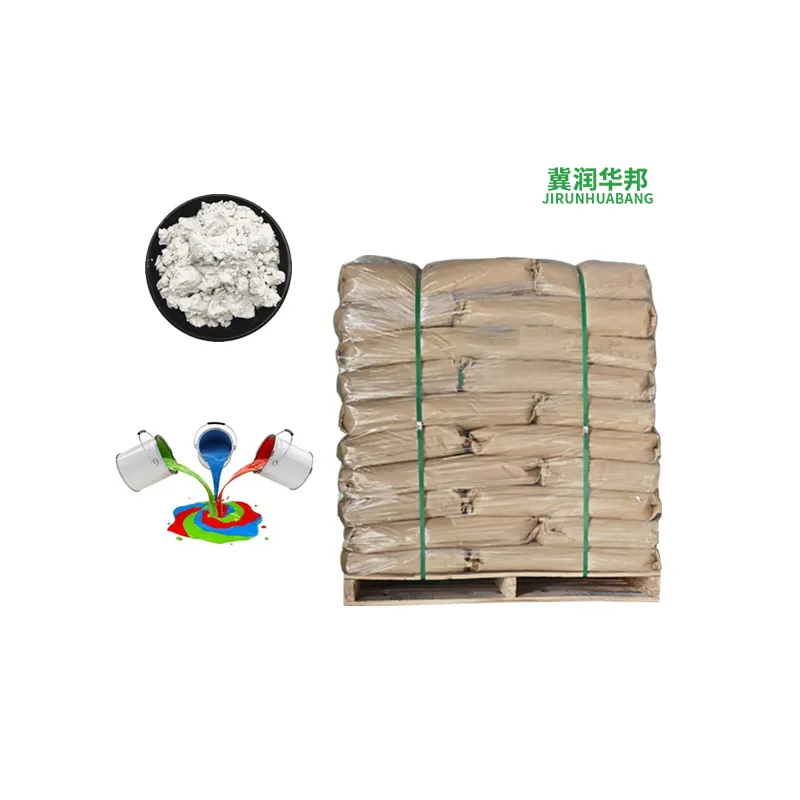
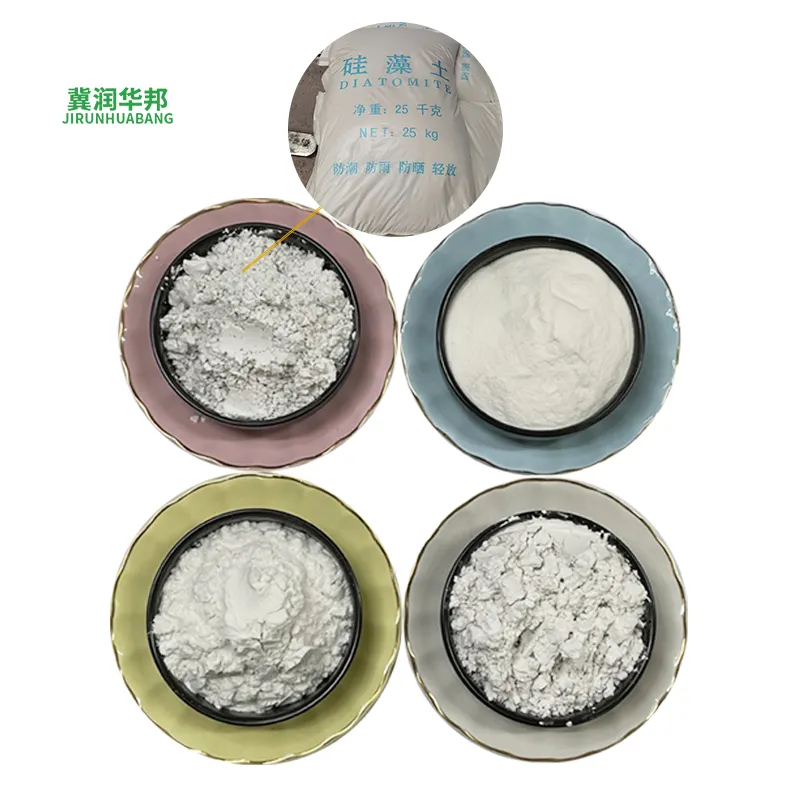
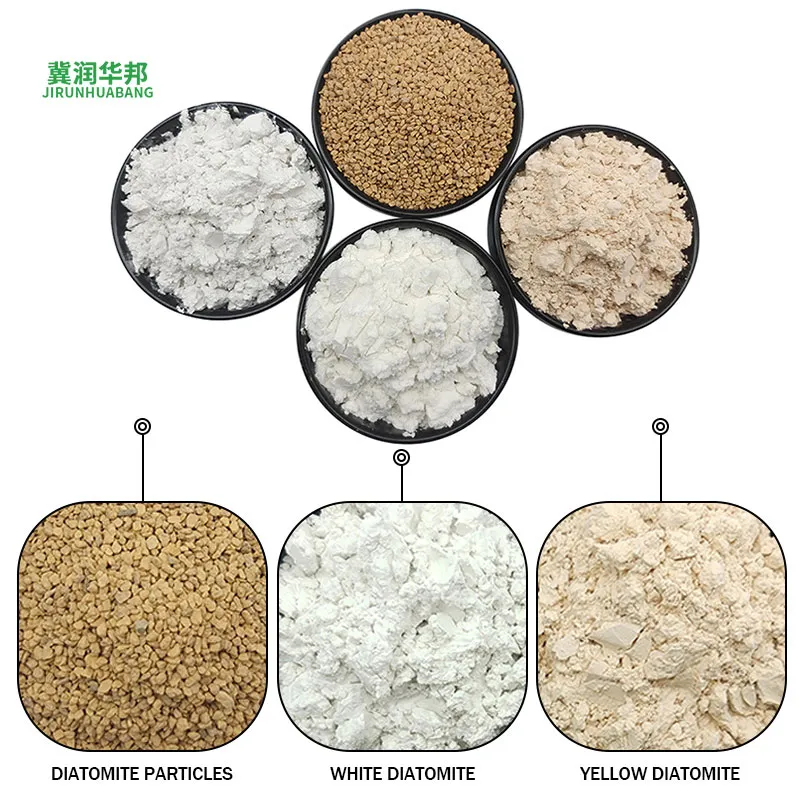
If you run a water or process line, you already know the feeling: tighter discharge limits, lower turbidity targets, and the eternal hunt for stable throughput. That’s where Runhuabang Industrial Grade Filling Filter Aid With Diatomite Water Treatment Diatom Calcination 325 Mesh comes into the conversation—quietly practical, but surprisingly versatile. Calcined diatomite at 325 mesh plays well with precoat and body‑feed systems, and in real plants it often buys you longer runs and cleaner filtrate with less drama.
What’s trending in filtration right now
Two things I keep hearing from plant managers: (1) stable differential pressure over longer cycles, and (2) predictable solids capture across variable feeds. Diatomite—especially tightly graded 325 mesh—helps form a permeable, rigid cake with micro‑porosity that balances flow and particle retention. Regulations aren’t relaxing; operators need media that behaves consistently shift to shift.
Key specifications (typical, real‑world use may vary)
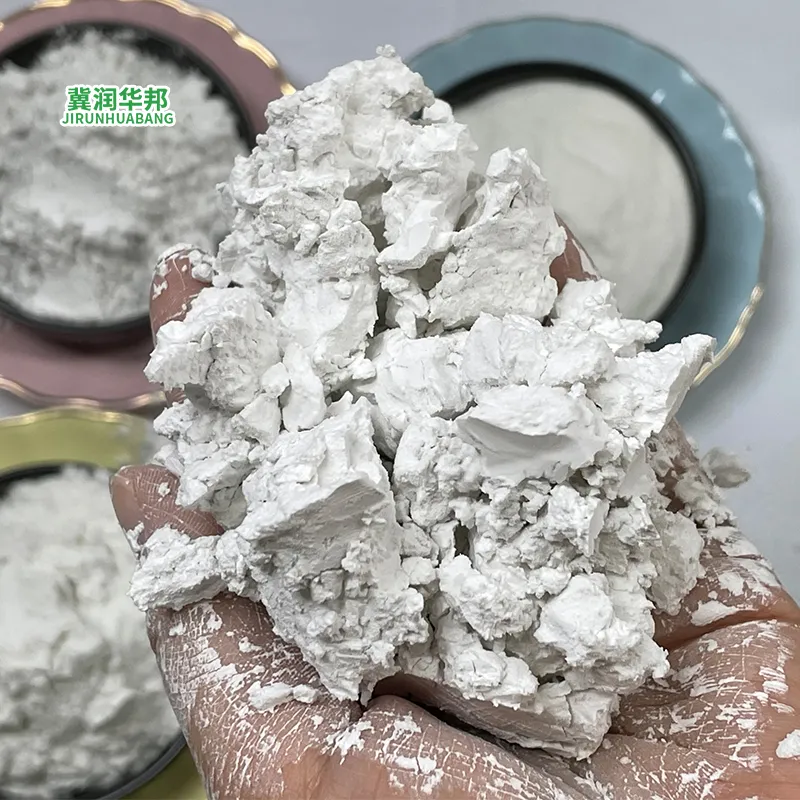
| Grade / Mesh | Calcined diatomite, 325 mesh (≈44 μm pass, ASTM E11) |
| SiO2 (dry) | ≈88–92% |
| Fe2O3 | ≤1.5% (typ.) |
| Loss on Ignition (LOI) | ≈3–6% |
| Bulk density | ≈0.20–0.28 g/cm³ |
| Permeability index | Medium‑fine range for precoat/body feed |
| pH (slurry) | ≈9–10 |
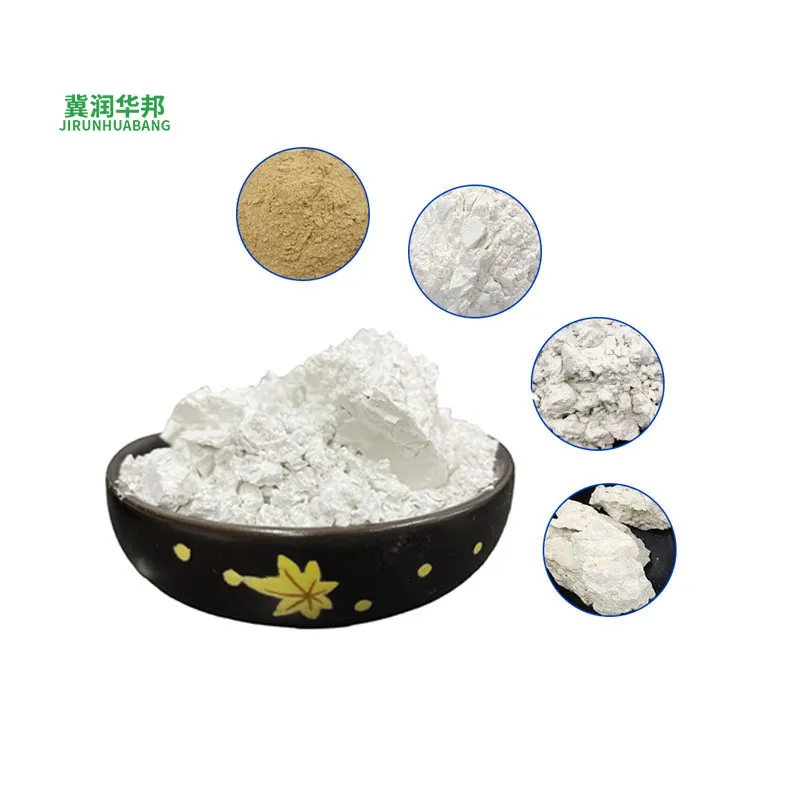
| Color / Whiteness | Off‑white to white (visual) |
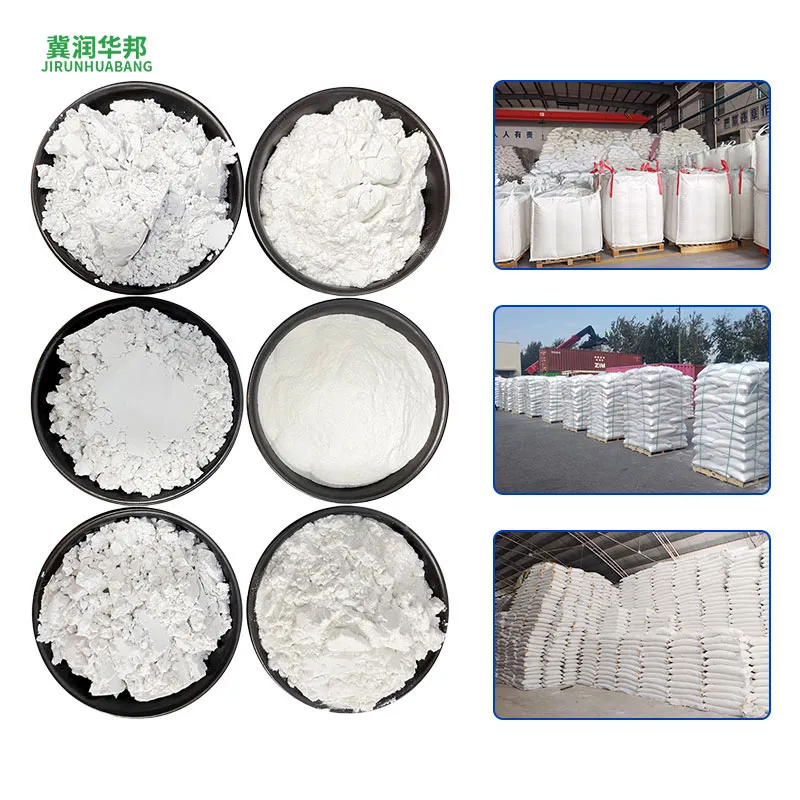
| Packaging | Bags or super‑sacks; custom on request |
Where it’s used
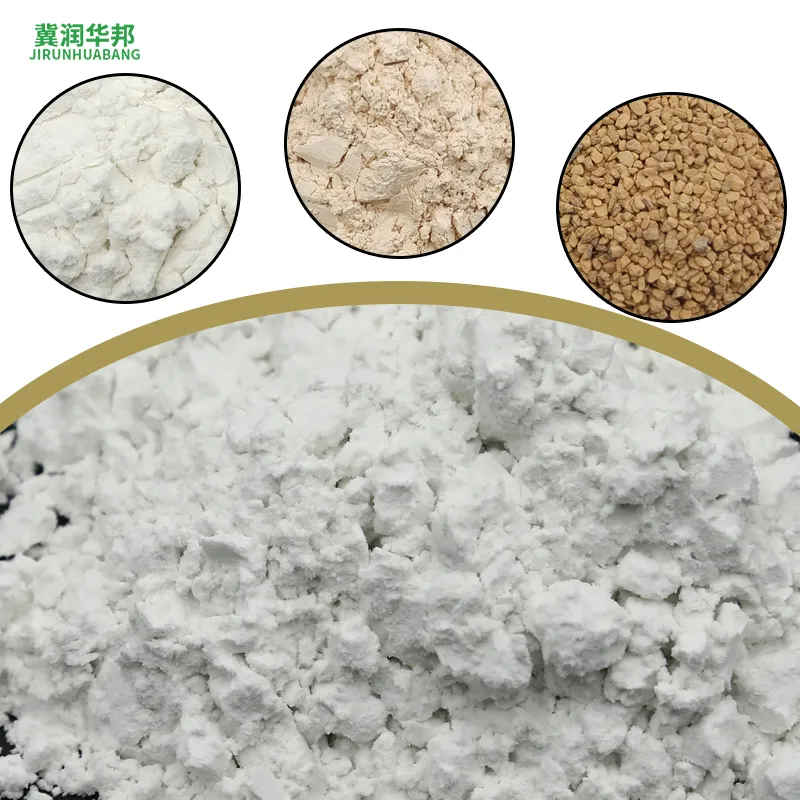
- Municipal and industrial water clarification; metal finishing rinse recovery; chemical intermediates; edible oils and sugar liquor clarification; pharmaceuticals (non‑sterile process steps); breweries and beverages. Many customers say it “just behaves” across shifts—honestly, that’s high praise in operations.
Process flow (short version)
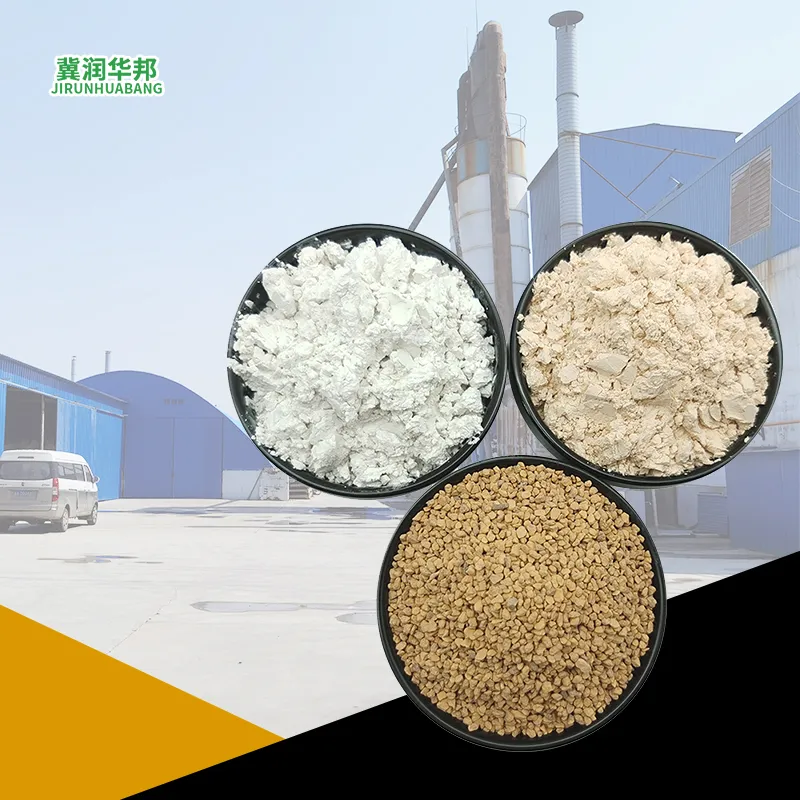
Materials: Runhuabang Industrial Grade Filling Filter Aid With Diatomite Water Treatment Diatom Calcination 325 Mesh, clarified water, dosing system.
Method: Precoat (0.3–0.7 kg/m² filter area), then body feed (≈0.05–0.3% w/w of slurry; adjust to DP). Operate to target ΔP; discharge cake; rinse; inspect. Testing standards: particle sizing per ASTM E11; potable‑water suitability per EN 12913 guidance; turbidity by GB/T 5750 methods. Service life: each cake run typically 6–18 h depending on solids loading; hardware life unaffected (non‑abrasive profile).
Why plants pick it
- Stable cake structure and low compressibility
- Predictable ΔP growth; easier throughput planning
- Good clarity at modest dosing; fewer upset events
- Consistent chemistry (SiO2‑rich), low soluble contaminants
Vendor snapshot (quick comparison)
| Attribute | Runhuabang 325‑mesh | Vendor A (imported) | Vendor B (regional) |
|---|---|---|---|
| Silica content | ≈88–92% | ≈90–93% | ≈85–90% |
| Permeability consistency | Tight batch control | Tight | Medium |
| Lead time | Short (Hebei origin) | Longer (import) | Medium |
| Customization | Yes (mesh, calcination) | Limited | Varies |
| Certifications | ISO 9001; EN 12913 reference | ISO 9001 | Local QA |
| Typical cost | Competitive | High | Low‑medium |
Customization and QA
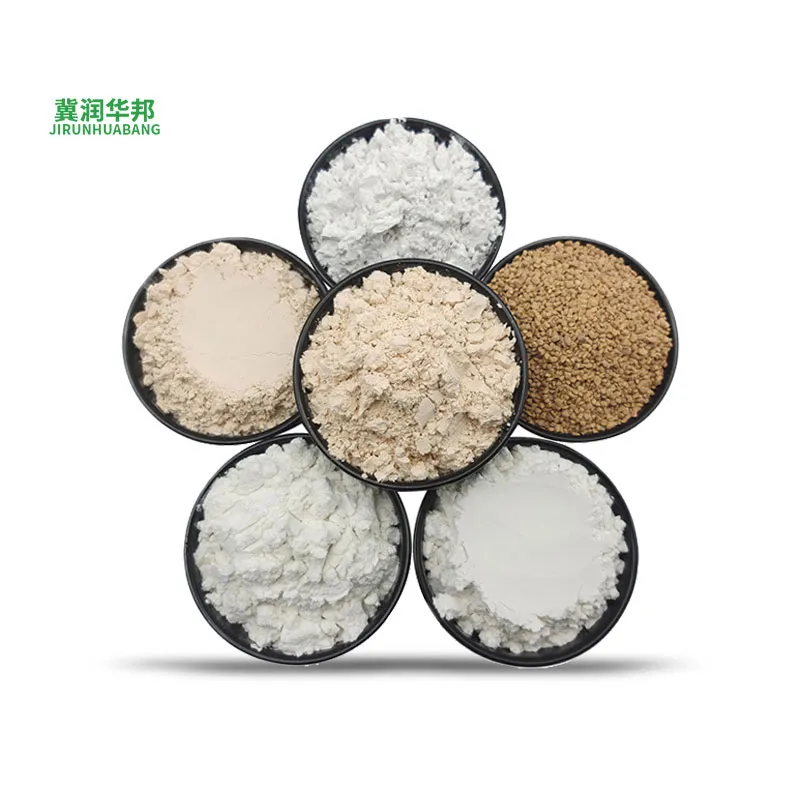
Runhuabang Industrial Grade Filling Filter Aid With Diatomite Water Treatment Diatom Calcination 325 Mesh can be tailored on mesh distribution, calcination profile, and packaging. The plant in Shijiazhuang (0811, Building H2, Poly Plaza North, 95 Shifang Road, Chang’an District, Hebei) runs ISO 9001:2015 quality management. Documentation pack typically includes CoA, sieve curve (ASTM E11), moisture/LOI, and trace metals screen; potable‑water projects reference EN 12913 and NSF/ANSI 61 requirements where applicable.
Case notes (abridged)
- Municipal WTP, clarifier effluent polishing: body‑feed 0.08% w/w; filtrate turbidity dropped from 1.2 NTU to ≈0.3 NTU; run length +27% (3‑month average).
- Breweries (bright beer): precoat 0.5 kg/m²; haze reduction consistent; operators liked “faster precoat wet‑out,” their words, not mine.
- Fine chemicals: metal hydroxide slurries; ΔP rise slowed ≈15% vs prior aid; cake discharge cleaner, less smearing.
A few practical tips
Start conservative on body‑feed, watch ΔP slope, and trim by 0.01–0.02% steps. If cake compacts early, check slurry pH and shear; calcined grades like gentle mixing. And yes, store bags dry—diatomite loves to pull in moisture.
Test data snapshot (typ.): Turbidity removal to sub‑0.5 NTU on clarified feeds; metals in filtrate below drinking‑water method detection when paired with compliant systems; sieve pass at 325 mesh >95% (ASTM E11). To be honest, real‑world results hinge on upstream coagulation and hydraulic loading.
Sources & Standards
- EN 12913: Products used for treatment of water intended for human consumption — Powdered diatomaceous earth.
- NSF/ANSI 61: Drinking Water System Components — Health Effects.
- ASTM E11: Standard Specification for Woven Wire Test Sieve Cloth and Test Sieves.
- GB/T 5750: Standard examination methods for drinking water (China).
- 21 CFR 186.1101: Diatomaceous earth (FDA, GRAS conditions for use).